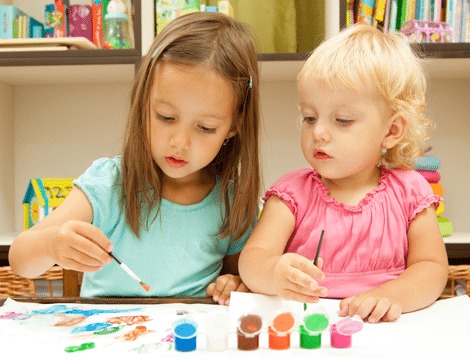
Watching a small child enter a room full of other children is like watching a flower turn toward the sun. There is an immediate pull toward connection, a natural curiosity that drives them to see what the others are doing.
These early years are the prime time for social growth. Playgrounds and classrooms become busy workshops where little ones learn the art of human connection. This development is a project that requires patience and guidance from caring adults, and nurseries in Jumeirah provide the perfect setting for this important work.
Sharing starts small:
At first, sharing feels like giving away a piece of treasure. A child might clutch a toy car, watching another child eye it from across the room. Then comes the moment of surrender, pushing the toy toward the other child. This simple act builds the foundation for all future relationships. Each small exchange teaches that giving can bring its own reward, a smile or a new playmate.
Taking turns becomes a game:
Learning to wait is hard work for little ones. A line for the slide becomes a lesson in patience. Children soon realize that their turn will come. They watch the child in front go down, counting the seconds until it is their chance. This back-and-forth rhythm builds a sense of fairness.
Words replace tears:
Toddlers often use their hands to express frustration. A push or a grab is quick and easy. With time, they find new tools. They learn to use their voices. Instead of crying, a child says, “My turn.” They ask, “Can I play?” This switch from physical action to spoken language is a giant leap forward. It opens the door to solving problems with words.
Friendship gets a definition:
In the beginning, a playmate is just someone nearby. As social skills grow, children pick favorite friends. They look for specific children at drop-off time. They save a seat for a buddy at snack time. This choice shows they are building real bonds. They learn loyalty and begin to share secrets and jokes, creating a special world of their own.
Empathy starts to appear:
A child falls and scrapes a knee. Soon, another child comes over with a concerned look. They might offer a pat on the back or find a teacher. This response is the beginning of empathy. Children learn to read faces and tone of voice. They start to sense sadness or joy in others.